March 20, 2026
Growing concern around household energy efficiency has led many homeowners to explore smarter solutions for reducing energy use. A high-quality blinds service can play a meaningful role in improving insulation, managing indoor temperatures, and lowering utility costs. Modern window treatments become more than decorative features; they support sustainable living and long-term comfort. By exploring how an expert blinds service integrates energy-efficient blinds into contemporary home design, this article highlights practical ways to enhance thermal comfort while reducing overall energy consumption.
Understanding Energy Efficiency in Homes
Energy efficiency in homes is becoming a critical issue as homeowners seek ways to reduce their utility bills and environmental footprint. With climate change concerns on the rise, strategies that contribute to lower energy consumption are more important than ever. The implementation of energy-efficient technologies can lead to significant reductions in both cost and carbon emissions. Enhancing energy efficiency involves understanding the key areas where energy is typically wasted and targeting those for improvement. A systematic approach to energy efficiency can provide both financial savings and increased comfort for homeowners.
Among the various factors that affect home energy consumption, windows are a major influencer due to their role in heat gain and loss. Poorly insulated windows can lead to increased heating and cooling demands, thus driving up energy usage. As a result, homeowners are seeking solutions that can address these inefficiencies comprehensively. The installation of blinds is one such solution that is being adopted increasingly to manage and reduce unwanted thermal transfer. By acting as a barrier against external temperatures, blinds can significantly mitigate energy demands throughout the year.
In addition to window insulation, the importance of overall home insulation cannot be overstated when discussing energy efficiency. Proper insulation creates a protective envelope that minimizes thermal exchange, maintaining indoor comfort and reducing HVAC system load. This fundamental aspect of energy-efficient homes works hand in hand with window treatments like blinds to optimize energy savings. Blinds complement insulation by offering adjustable control over heat and light entering through windows, enhancing thermal regulation. Thus, they are vital components of an integrated approach to building energy efficiency.
The Role of Blinds in Energy Conservation
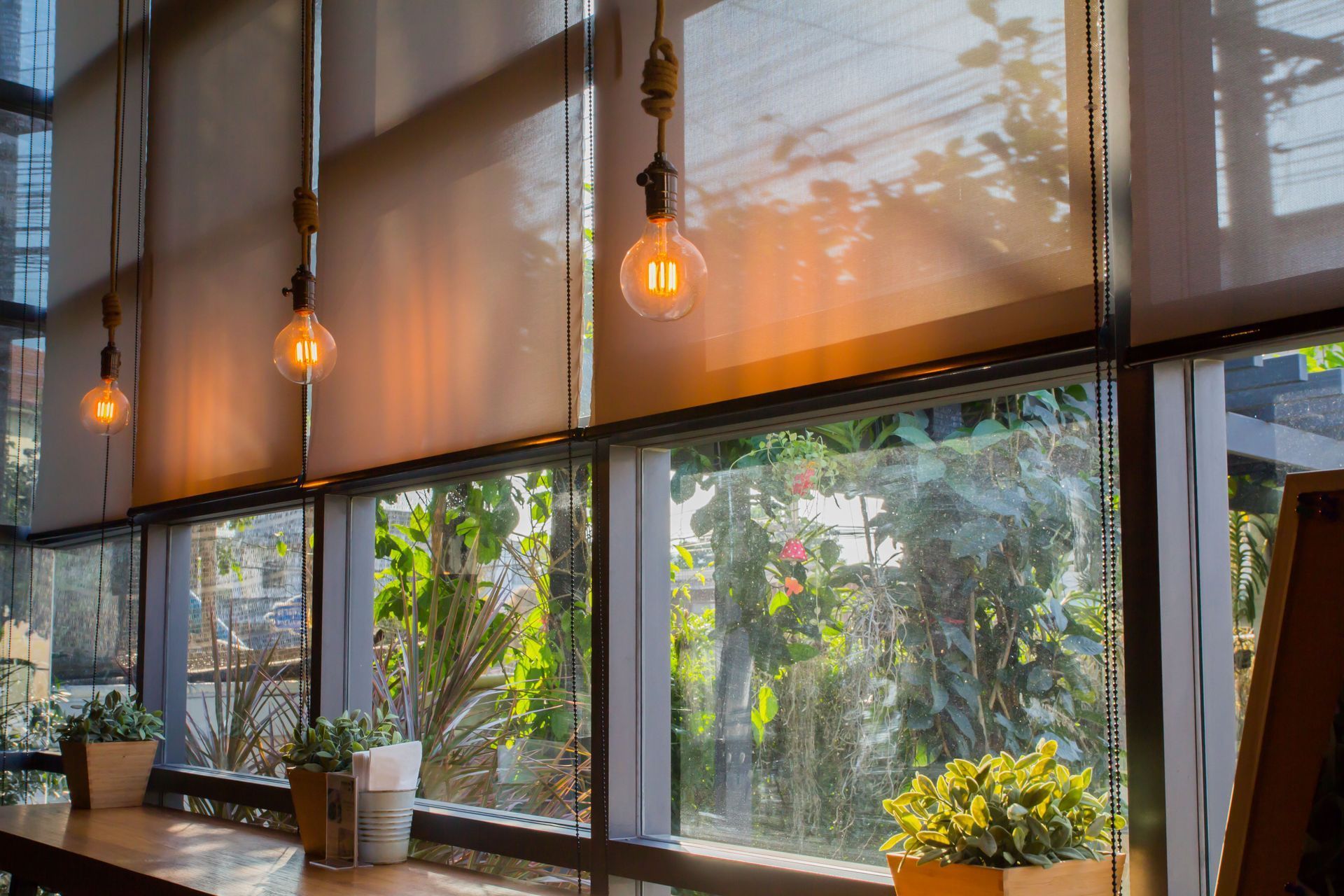
Blinds serve multiple functions when it comes to conserving energy within a home. First and foremost, they act as insulators, providing an additional layer that reduces the transfer of heat through windows. By modulating direct sunlight, blinds can lessen indoor temperature fluctuations, which helps maintain a more stable and comfortable environment. This insulating effect is particularly advantageous during extreme weather conditions, reducing dependence on heating and cooling systems. In turn, this leads to lower energy consumption and ultimately, cost savings for homeowners.
During the summer months, blinds are instrumental in reducing heat gain. By blocking or filtering sunlight, blinds can significantly lower the interior temperature, alleviating the strain on air conditioning systems. The balance of natural light and thermal management is crucial in achieving a cool, energy-efficient home environment. According to IBISWorld, there are 313 businesses in the blind and shade manufacturing industry in the United States, each offering various solutions for reducing solar heat gain. This variety allows consumers to choose blinds that meet their aesthetic and functional preferences while optimizing energy efficiency.
In winter, blinds minimize heat loss by preserving warmth inside the home. Blinds create a barrier that decreases heat exchange between the warm indoors and the cold exterior. This role is crucial in maintaining thermal comfort without over-relying on heating systems. By ensuring that valuable heat remains indoors, energy consumption is reduced, which translates to savings on utility bills. Further, the controlled management of natural light supplements artificial lighting, providing another avenue for energy conservation.
Key Features of Energy-Efficient Blinds
Material selection is pivotal in designing energy-efficient blinds capable of offering optimal insulation. Blinds made from materials such as cellular or honeycomb fabrics are excellent at trapping air, providing significant insulation benefits. These materials help reduce the conduction of heat across window surfaces, enhancing thermal resistance. The result is improved energy conservation by limiting the need for mechanical heating and cooling. Additionally, the choice of material can impact the aesthetics and functionality of the blinds, allowing for tailored applications in various home environments.
Design options in blinds offer several mechanisms for improved energy management. Features such as adjustable slats, reflective coatings, and light-filtering options enable homeowners to customize their light and heat management strategies. These design aspects allow users to fine-tune their environment with precision, depending on the season and prevailing weather conditions. Enhancing operational control through innovative designs can significantly support energy-saving objectives. Furthermore, automation technology is increasingly being incorporated to provide seamless adjustment based on real-time environmental data.
Benefits of Professional Blinds Service
Engaging a professional blinds service provides several benefits that can enhance energy efficiency in the home. Expert assessment ensures that the chosen blinds are the most appropriate for the specific needs of the space. Proper installation by skilled technicians maximizes the energy-saving potential by eliminating common issues such as light leakage and poor fit. This professional approach ensures that blinds not only meet aesthetic preferences but also deliver on their energy efficiency promises. As a result, property owners can experience consistent energy savings and improved home comfort.
Consultation services offered by professional blinds installers bring valuable insights into the best energy solutions available. These professionals keep up-to-date with the latest advancements in blind materials and technologies, providing homeowners with cutting-edge options. Through personalized consultation, customers are empowered to make informed decisions that align with their energy-saving goals. The access to diverse energy-efficient products through these services ensures that each project is tailored to meet specific environmental needs. Additionally, ongoing maintenance and servicing are provided to maintain the optimal performance of the blinds over time.
Beyond installation, professional blinds services often include warranty and customer support, enhancing the value of the investment. These services ensure that any issues encountered after installation are promptly resolved, maintaining the effectiveness and longevity of the blinds. This comprehensive support framework not only boosts the return on investment but also fosters customer satisfaction. By prioritizing continuous support, professional services underscore the commitment to sustainable energy solutions. Thus, homeowners can have peace of mind knowing their energy-saving installations are effective and durable.
Cost Considerations and Savings
One of the primary considerations for homeowners when investing in energy-efficient blinds is the balance between initial costs and long-term savings. While energy-efficient blinds may require a higher up-front investment compared to standard options, they can lead to significant reductions in utility bills over their lifespan. The cost-effectiveness of these blinds becomes evident as energy bills decrease, providing a return on the initial expenditure. Evaluating this balance is crucial for consumers seeking to make financially and environmentally sustainable choices. The decision to invest in higher-quality blinds should consider the long-term financial benefits of reduced energy usage.
The cost of ownership of energy-efficient blinds extends beyond the initial purchase. Regular maintenance, potential upgrades, and repairs can increase overall expenses over time. However, these costs are often outweighed by the significant savings on energy bills achieved by quality blinds. Incentives such as rebates for energy efficiency upgrades can further offset the initial investment, enhancing the overall financial appeal. Calculating the potential return on investment requires considering these variables along with anticipated savings, providing a comprehensive view of the long-term economic impact.
Choosing the right blinds service can lead to measurable savings, environmental advantages, and a noticeable improvement in overall home comfort. They also support long-term energy efficiency by ensuring proper selection, installation, and performance of window treatments. As energy-conscious design continues to evolve, a professional blinds service remains a practical solution for homeowners seeking sustainable upgrades. For more information about how our blinds service team can assist you, please contact BlindSide Window Coverings today.