March 3, 2026
Heat buildup is one of the primary reasons homes and commercial buildings consume excessive energy during warmer months. Sunlight streaming through windows may feel pleasant at first, but it quickly raises indoor temperatures, forcing cooling systems to work harder than necessary. Over time, this constant exposure increases electricity usage, shortens HVAC system lifespan, and leads to uncomfortable indoor conditions during peak daylight hours.
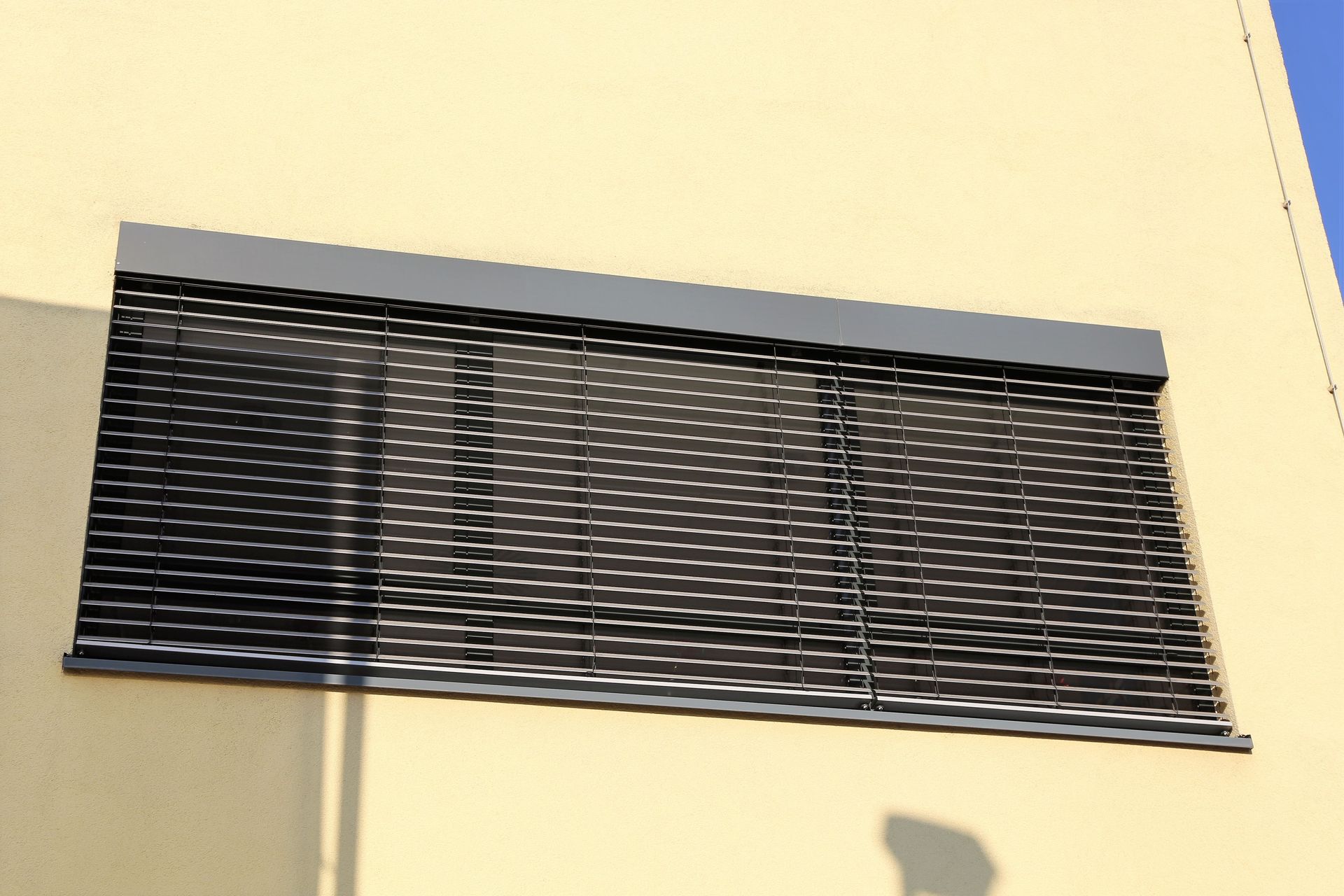
Exterior shading addresses this problem before it starts. By stopping or filtering sunlight outside the building envelope, exterior shade services reduce how much heat ever reaches windows and doors. This proactive approach lowers indoor temperatures naturally and limits the need for mechanical cooling. According to IBISWorld, the blind and shade manufacturing industry in the United States is valued at $2.9 billion in 2026, reflecting growing demand for energy-conscious shading solutions. In this article, we'll explain exactly how exterior shading works to reduce heat buildup and energy costs.
Blocking Solar Radiation Before It Enters the Building
One of the most important ways exterior shading reduces heat is by blocking direct solar radiation. When sunlight strikes glass, radiant heat passes through and becomes trapped indoors. Exterior shades intercept this radiation before it contacts the window surface, dramatically limiting heat transfer.
By stopping sunlight outside the structure, exterior shades prevent interior temperatures from rising rapidly. This reduces the greenhouse effect that occurs when heat becomes sealed inside through windows. As a result, indoor spaces stay cooler throughout the day without relying as heavily on air conditioning.
Reducing Solar Heat Gain Through Windows
Windows are one of the largest contributors to unwanted heat gain in a building. Even modern, energy-efficient glass allows a significant amount of solar heat to pass through, especially during afternoon hours when the sun is strongest.
Exterior shade systems reduce solar heat gain by shading window surfaces during peak sun exposure. When properly positioned, they can block a large percentage of incoming heat while still allowing filtered daylight. This balance helps maintain comfortable indoor temperatures and reduces how frequently cooling systems must cycle on.
Lowering Indoor Temperature Fluctuations
Unshaded buildings often experience sharp temperature swings throughout the day. Morning sun may warm one side of the building, while afternoon exposure overheats another. These fluctuations force HVAC systems to constantly adjust, increasing energy usage.
Exterior shading stabilizes indoor temperatures by limiting sudden heat spikes. With less heat entering during peak sunlight hours, interior spaces maintain a more consistent temperature. This stability reduces the workload placed on cooling systems and helps prevent overcooling or uneven comfort between rooms.
Decreasing Air Conditioning Runtime
Air conditioning systems consume the most energy when they operate for extended periods. Exterior shading directly reduces this demand by lowering the starting temperature inside the building before cooling systems activate.
When indoor spaces remain naturally cooler, air conditioners run shorter cycles and turn on less frequently. Over time, this reduction in runtime translates into measurable energy savings and lower monthly utility bills, particularly during extended heat waves.
Cutting Peak Energy Demand During Hot Hours
Energy usage typically spikes during midday and afternoon hours when temperatures peak. These demand surges are costly and can strain local power infrastructure.
Exterior shading helps flatten these peaks by limiting how much heat enters the building during the hottest parts of the day. With lower interior heat levels, cooling systems don't need to operate at maximum capacity. This helps control energy costs during high-rate periods and supports more efficient energy consumption overall.
Reducing Heat Absorption by Building Materials
Exterior shading doesn't just protect windows. Shading systems also reduce heat absorbed by exterior walls, doors, and structural surfaces. When sunlight repeatedly heats these materials, that stored heat radiates inward long after the sun moves.
By shading exterior surfaces, heat absorption is reduced at the source. This limits heat transfer through walls and frames, helping indoor temperatures stay cooler well into the evening and reducing the need for extended cooling after sunset.
Improving HVAC System Efficiency
Cooling systems operate most efficiently when they aren't constantly compensating for excessive heat gain. Exterior shading reduces the overall thermal load placed on HVAC equipment by limiting how much heat enters the building throughout the day.
With less strain on the system, airflow and temperature regulation become more efficient. This improved performance not only lowers energy usage but also supports smoother operation during extreme weather conditions.
Extending HVAC Equipment Lifespan
Constant high demand shortens the lifespan of HVAC systems. Compressors, fans, and other components wear out faster when they operate continuously under heavy load.
By reducing heat gain and cooling demand, exterior shade services help HVAC systems operate under more moderate conditions. This can reduce maintenance frequency, delay costly replacements, and lower long-term operating expenses for property owners.
Allowing Natural Light Without Excess Heat
One advantage of exterior shading is its ability to manage sunlight without eliminating it entirely. Many systems are designed to diffuse or filter light rather than block it completely.
This allows buildings to benefit from natural daylight while avoiding excessive heat buildup. Reduced reliance on artificial lighting during daytime hours further supports energy savings and improves indoor comfort without increasing cooling demand.
Supporting Seasonal Energy Control
Exterior shading continues to provide energy benefits beyond peak summer months. During spring and fall, shades help prevent sudden heat buildup on warm days while maintaining comfortable interior conditions.
Adjustable and retractable systems can be positioned to allow more sunlight during cooler months, supporting passive warmth without overheating. This flexibility allows buildings to manage energy use more efficiently year-round.
Enhancing Energy Performance in Outdoor-Adjacent Spaces
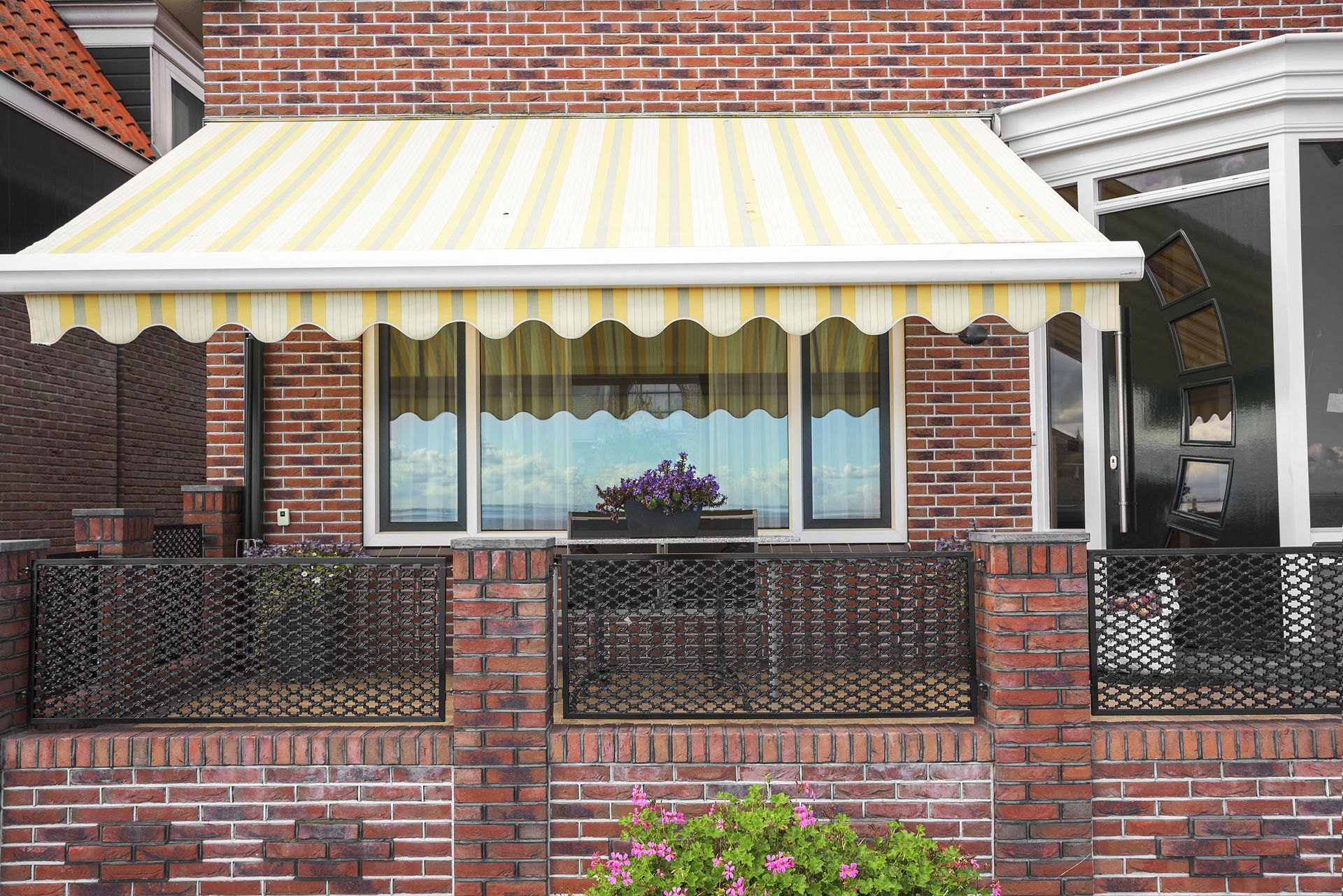
Exterior shades play an important role in controlling heat buildup in areas directly connected to indoor spaces, such as patios, balconies, covered walkways, and outdoor seating areas. These zones often sit next to large glass doors or window walls, which can allow significant heat to migrate indoors when left unshaded. By creating a cooler buffer zone outside the building, exterior shades reduce the intensity of heat that reaches these openings.
Shaded outdoor areas absorb and reflect less solar radiation, which keeps surrounding air temperatures lower. This reduction limits radiant heat transfer through doors, window frames, and adjacent walls. In homes, this can prevent living rooms and kitchens from overheating during the afternoon. In commercial settings, it helps maintain comfortable temperatures near entryways, dining areas, and storefront windows. By cooling the immediate exterior environment, shading systems reduce the amount of heat that indoor cooling systems must overcome, improving overall energy efficiency.
Maximizing Energy Savings Through Professional Design
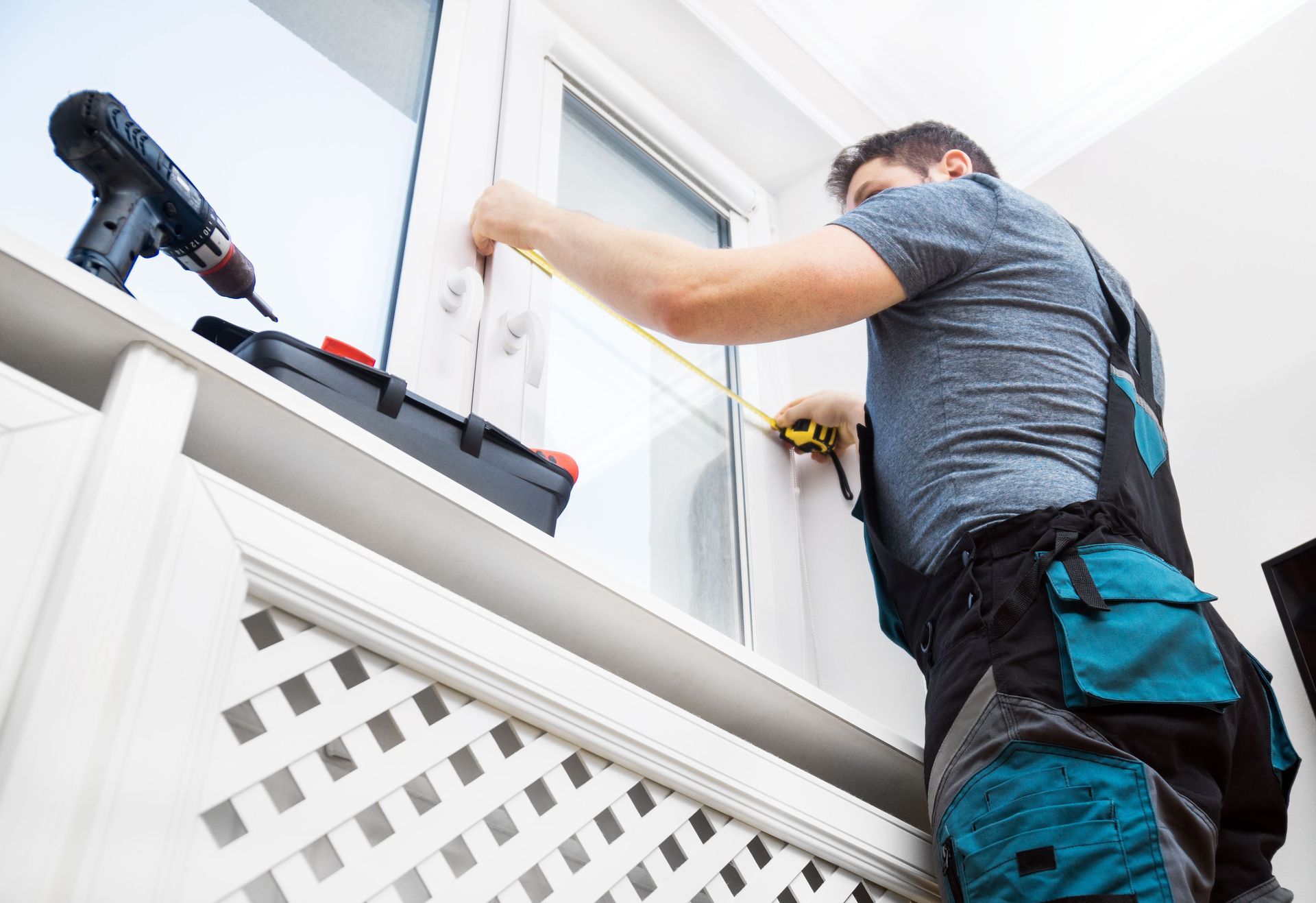
The energy impact of exterior shading depends largely on how well the system is designed for the specific property. Professional exterior shade services assess sun angles throughout the day, seasonal changes in sunlight, and the building's orientation to determine where shading will be most effective. This approach avoids over-shading while targeting the areas responsible for the greatest heat gain.
Material selection also affects performance. Screen density, fabric color, and openness factor all influence how much heat is blocked versus diffused. Properly designed systems strike a balance between heat reduction and natural light, allowing spaces to stay bright without overheating. This tailored approach helps property owners achieve consistent comfort while maximizing long-term energy savings.
For homeowners and businesses looking to control energy expenses and improve indoor comfort, professionally designed exterior shade services offer a practical and effective solution. Working with our team at BlindSide Window Coverings can help identify the right shading strategy to reduce heat, lower energy costs, and support year-round comfort.