September 29, 2026
Managing sunlight in buildings dictates the comfort of any space. Natural illumination brings warmth to interior environments, yet excessive solar exposure causes discomfort and damages valuable furnishings. Unfiltered rays create harsh glare on screens, fade floors, and raise indoor temperatures. Selecting proper window treatments becomes a vital part of architectural design, allowing occupants to dictate the exact ambiance of their environment.
Various materials offer distinct levels of light filtration. Among the choices available, blackout fabrics and room-darkening textiles represent the prevalent solutions for mitigating solar intrusion. Each category serves specific functional needs, from creating pitch-black sleeping quarters to crafting soft living areas. This guide explores the distinct characteristics of each material type, assisting homeowners in making informed choices for specific architectural challenges.
Analyzing the Features of Blackout Solutions
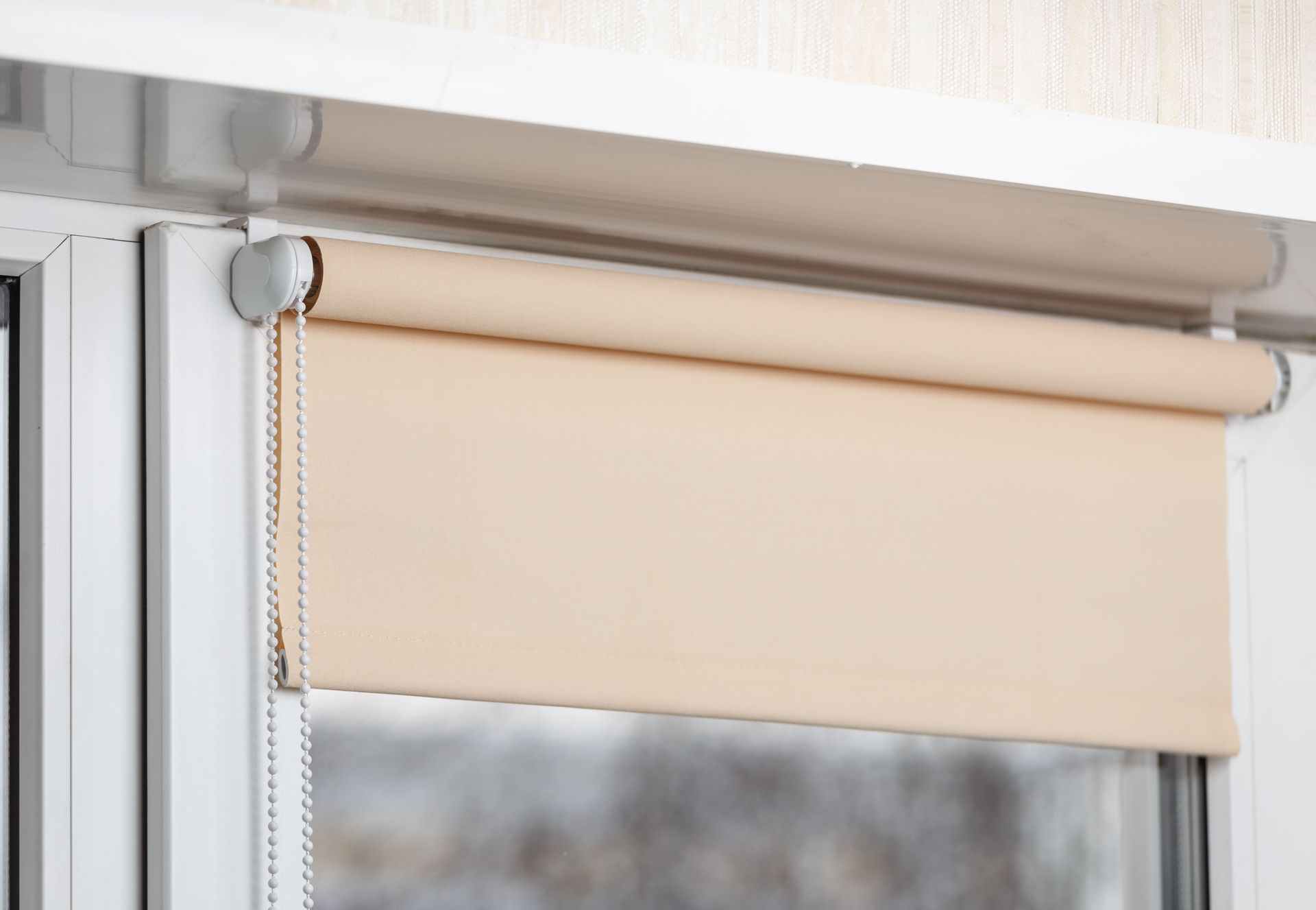
Blackout fabrics provide the ultimate barrier against solar penetration. Manufacturers construct these specialized textiles using heavy, opaque liners. This layered construction stops incoming light rays at the windowpane, preventing them from illuminating the interior. The fabric creates an impenetrable shield, ensuring a dark environment regardless of outdoor conditions. Facilities requiring absolute darkness, such as photography darkrooms or specialized media centers, rely on this uncompromising light obstruction.
Residential applications for these opaque barriers center around sleep spaces. Bedrooms demand environments conducive to rest, and human circadian rhythms depend on darkness to signal the brain for sleep. Shift workers need sleeping quarters mimicking nighttime hours during the afternoon. Implementing an uncompromising barrier against the sun allows individuals to achieve restorative sleep patterns despite bright external conditions. Nursery rooms benefit from this light blockage, facilitating daytime naps for infants.
Beyond sleep benefits, these robust textiles offer substantial protection for interior investments. Constant exposure to ultraviolet rays deteriorates upholstery, fades vibrant rugs, and bleaches wooden furniture. The solid backing of opaque window coverings reflects these harmful rays from the home interior. This reflection preserves the aesthetic integrity of expensive decor. Art collectors utilize these protective barriers to shield sensitive paintings and photographs from sun damage over years of display.
Thermal insulation provides an additional major advantage of utilizing dense window treatments. The thick material traps air between the glass and the fabric, creating a thermal barrier. This barrier restricts heat transfer, keeping rooms cooler during summer and warmer during winter. Reducing the burden on heating and cooling systems lowers utility expenses. Homeowners prioritizing energy efficiency find these solid textile barriers indispensable for maintaining stable indoor temperatures without continuous mechanical climate control.
Examining the Benefits of Room-Darkening Materials
Room-darkening products offer a moderate approach to light management. Unlike opaque counterparts, these options allow subtle ambient illumination to filter into the space. The fabrics feature tight weaves designed to diffuse harsh sunlight rather than block it. This diffusion reduces the intensity of incoming rays while maintaining a dim, relaxing atmosphere. These textiles eliminate severe glare but stop short of plunging the room into darkness.
Living rooms, dining areas, and home offices serve as ideal locations for these filtering textiles. Occupants in these spaces desire reduced glare on television screens or computer monitors without losing all sense of daytime. The softened illumination creates an inviting ambiance suitable for reading, entertaining, or engaging in hobbies. People can navigate the room without artificial lighting, striking a balance between comfort and functional visibility during daytime hours.
Designers appreciate the vast array of aesthetic possibilities inherent in these filtering textiles. Manufacturers produce these window treatments in diverse textures, colors, and patterns, free from the constraints of heavy backing materials. The semi-opaque nature provides daytime privacy from outside observers while keeping interior spaces feeling open. Decorators select these materials to complement specific interior design themes, adding visual interest to the window frame while serving a practical purpose.
While lacking the thick protective liner of opaque alternatives, woven filtering fibers disrupt direct solar paths. This disruption mitigates a significant portion of incoming heat and ultraviolet radiation. Furniture and floors receive adequate protection from severe sun damage. The balance of gentle natural light and protective shading creates a comfortable, livable ambiance for everyday activities, proving that extreme light obstruction remains unnecessary for optimal interior comfort in living spaces.
Evaluating the Capabilities of Outdoor Coverings
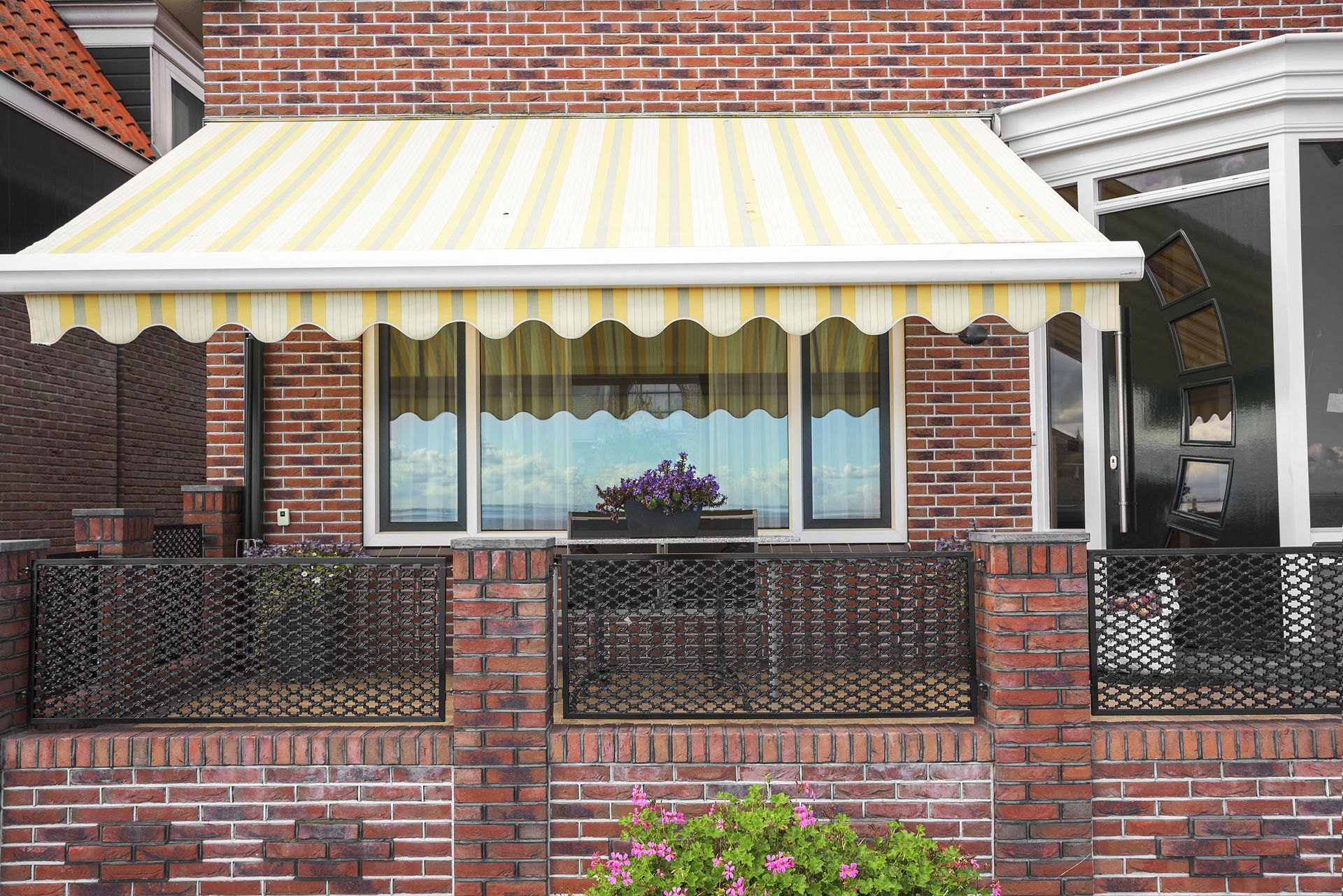
Managing solar energy before it reaches the window glass represents a proactive approach to building temperature control. Exterior applications address heat gain at the source, preventing solar radiation from entering the architectural envelope. Homeowners install exterior shades to intercept intense sunlight on patios, porches, and large window expanses. This outward-facing strategy proves effective in warm climates where minimizing thermal transfer takes precedence over interior decor considerations.
These outdoor treatments reduce severe glare while preserving outward visibility for building occupants. High-performance exterior shades feature specialized, weather-resistant materials designed to withstand harsh outdoor conditions, wind, and heavy precipitation. Unlike standard indoor textiles, outdoor fabrics resist mold, mildew, and fading caused by constant environmental exposure. The sturdy hardware systems secure the fabric against strong breezes, ensuring smooth operation and long-lasting durability despite constant battles against the unpredictable elements of nature.
The density of the fabric weave determines the view-through capability and the level of light blockage. Building professionals measure this fabric density using specific industry metrics. According to the Efficient Window Coverings Collaborative, openness factors for exterior window shades typically range from 3% to 30%. This metric helps consumers understand the amount of sunlight penetrating the material. A smaller percentage indicates a tighter weave, yielding greater heat obstruction and reduced visibility.
Selecting the proper weave density depends on the specific location and the desired outcome. Many architectural designers prefer robust exterior shades to minimize heat gain on west-facing facades that endure brutal afternoon sun. A tighter weave protects outdoor dining areas from blinding glare, creating comfortable alfresco spaces. In contrast, a looser weave maintains clear views of backyard landscapes while offering noticeable relief from the raw intensity of the midday sun.
Determining the Applications for Specific Spaces
Choosing the correct fabric type depends upon the primary function of the specific room. Assessing the geographic direction the windows face helps determine the necessary light control level. An accurate assessment of the daily solar path guides occupants toward the effective window treatment. Different zones within a house demand distinct solutions, making a unified approach across the entire property impractical for optimal comfort and energy management.
South-facing and west-facing rooms endure constant, intense sun exposure throughout the afternoon. Implementing exterior shades or heavy indoor blackout curtains shields these vulnerable spaces from excessive warmth. Without robust interventions, these rooms become uncomfortable hot zones. The sheer volume of incoming heat requires strong countermeasures to maintain a livable environment. Layering various defense mechanisms on these sun-drenched facades ensures residents remain comfortable during peak summer heat waves.
North-facing and east-facing rooms receive softer, indirect illumination or gentle morning sun. Room-darkening textiles suit these areas, offering necessary privacy without plunging the space into total darkness. The softer light requires less aggressive management. Filtering the morning sun creates a gentle awakening environment, while the lack of harsh afternoon glare means heavy opaque liners remain unnecessary. These zones thrive with softer, decorative filtering fabrics.
Combining different products offers maximum flexibility for homeowners seeking comprehensive control. Layering sheer decorative panels over robust exterior shades gives residents adaptable light management throughout the day. In addition, pairing interior blackout panels with light-filtering cellular blinds allows for instant transitions between dim ambiance and darkness. This layered strategy accommodates changing needs, from watching a movie in the afternoon to enjoying a bright, sunlit breakfast the following morning.
Achieving the perfect indoor lighting scenario requires an understanding of distinct material capabilities. Whether blocking every photon for restorative sleep or softening the afternoon glare for a comfortable reading nook, the correct window treatment transforms any living space. Homeowners utilizing exterior shades alongside interior filtering options achieve optimal climate and light management. The intersection of functionality and aesthetics plays a vital role in modern residential design. Reach out to us at BlindSide Window Coverings today to schedule your personalized consultation. We are excited to help you find the perfect interior treatments or
exterior shades to completely transform your home's lighting.