March 31, 2026
Window treatments play a pivotal role in enhancing the comfort and functionality of living spaces. They are not just decorative elements but also serve crucial functions such as light control, privacy, and energy efficiency. As a result, the right choice of window treatments can significantly impact the ambiance, comfort, and energy savings of a home. Here, we will explore various types of window treatments and their specific contributions to light control and overall comfort. This exploration will provide you with the insights necessary to make informed decisions about window treatments in your space.
The Role of Window Treatments in Modern Interior Design
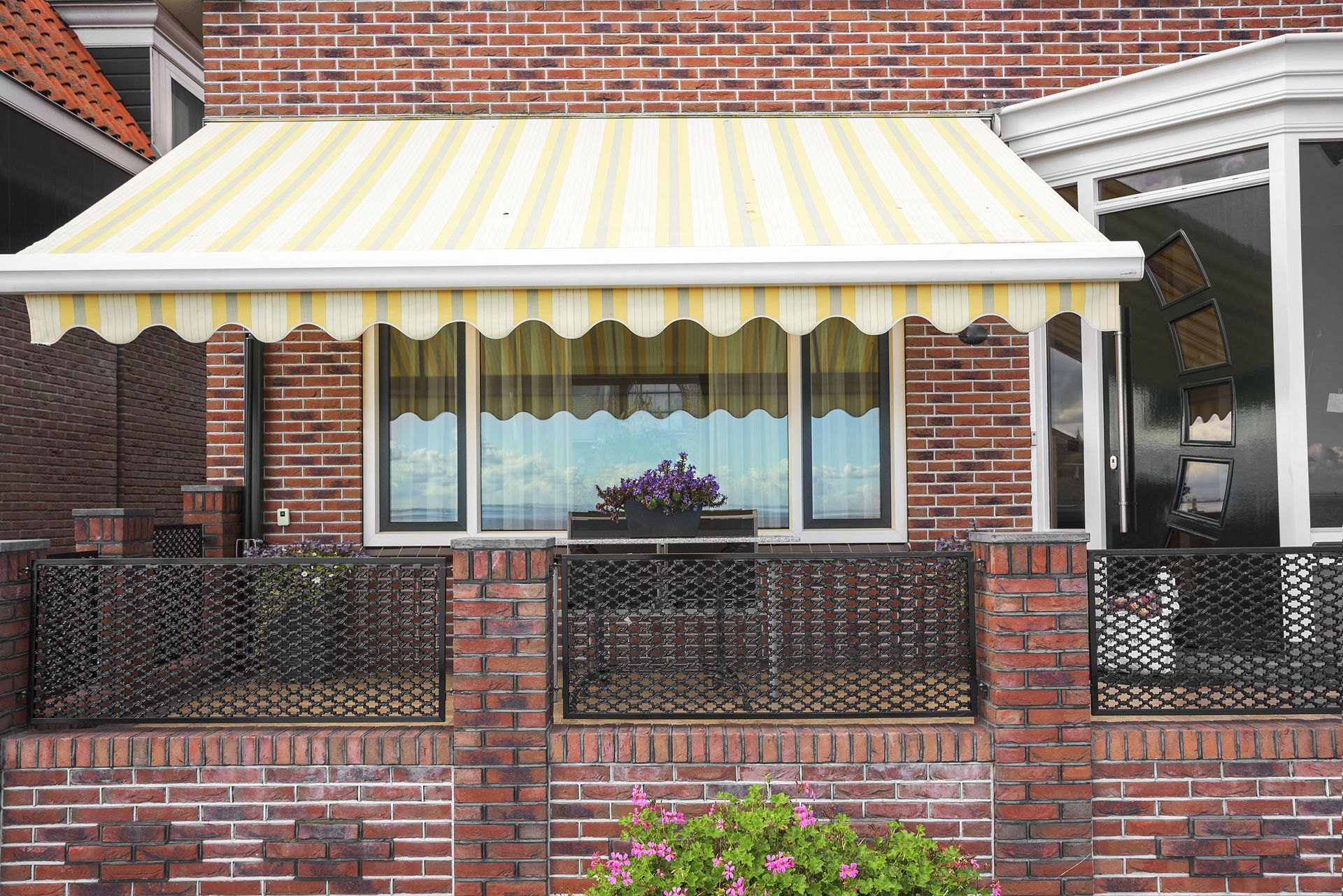
Window treatments elegantly bridge the gap between aesthetics and practical functionality in interior design. The choices in colors, materials, and styles allow homeowners to complement their existing decor while fulfilling specific needs, such as controlling the amount of natural light that enters a space. Importantly, window treatments like shades or curtains are designed to add a layer of visual appeal that works harmoniously with furniture and other design elements. Moreover, the nuanced adjustment of these treatments can enhance or soften the mood within a room, offering the versatility that modern living demands. As a result, they are indispensable in homes where both style and functionality are priorities.
The ability of window treatments to manage natural light plays a key role in shaping the ambiance of a space. Through careful selection and arrangement, these treatments can strike a balance between abundant sunlight that energizes a room and the softer hues that create a serene atmosphere. For instance, light-filtering shades allow a gentle diffusion of light that enhances a room's warmth and coziness without overpowering glare. The strategic use of blackout curtains, similar to those found in home theaters, can create envelope-pushing environments ideal for rest or entertainment. Ultimately, window treatments serve as a primary tool for manipulating light to achieve desired moods and atmospheres in residential and commercial settings.
Window treatments can significantly contribute to a home's energy efficiency, addressing crucial environmental concerns. According to This Old House, windows can account for up to 30% of a home’s total heat loss in winter, and window treatments can help remedy this. By reducing heat transfer through windows, treatments like thermal curtains or cellular shades lower the need for additional heating or cooling. This not only enhances comfort but also reflects a commitment to sustainability and reduced energy consumption. In this way, window treatments serve as a critical element in the pursuit of environmentally responsible living.
Types of Window Treatments for Optimal Light Control
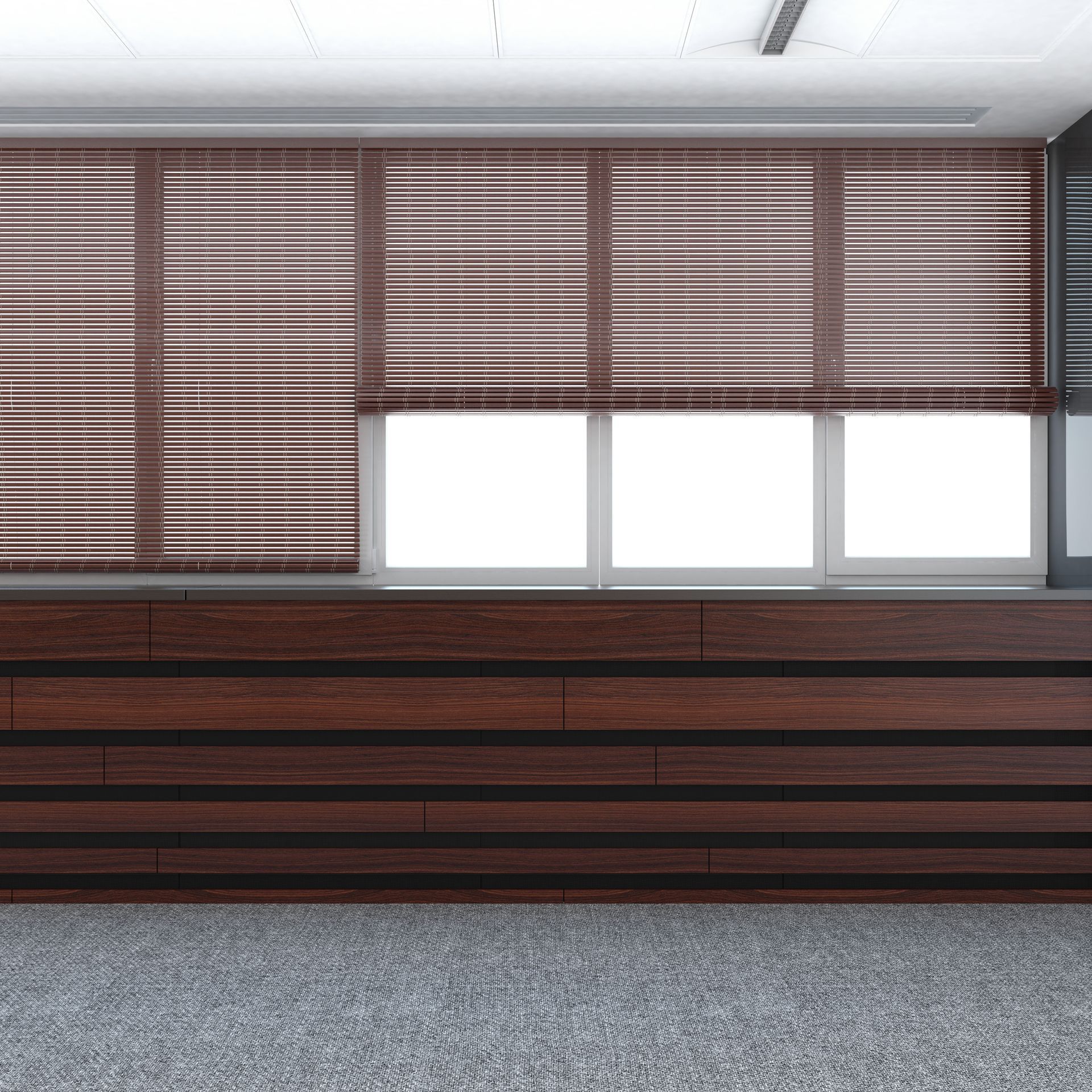
Blinds are a popular choice for their adaptability and wide range of designs suited for diverse settings. Available in both horizontal and vertical varieties, blinds can be adjusted to control the angle and amount of light entering a room. Their versatility extends to materials as well, with options including wood, faux wood, aluminum, and PVC. These materials not only offer varied aesthetic choices but also cater to different budgets and maintenance preferences. Through careful manipulation, blinds provide a seamless experience, adjusting effortlessly to changing daylight conditions.
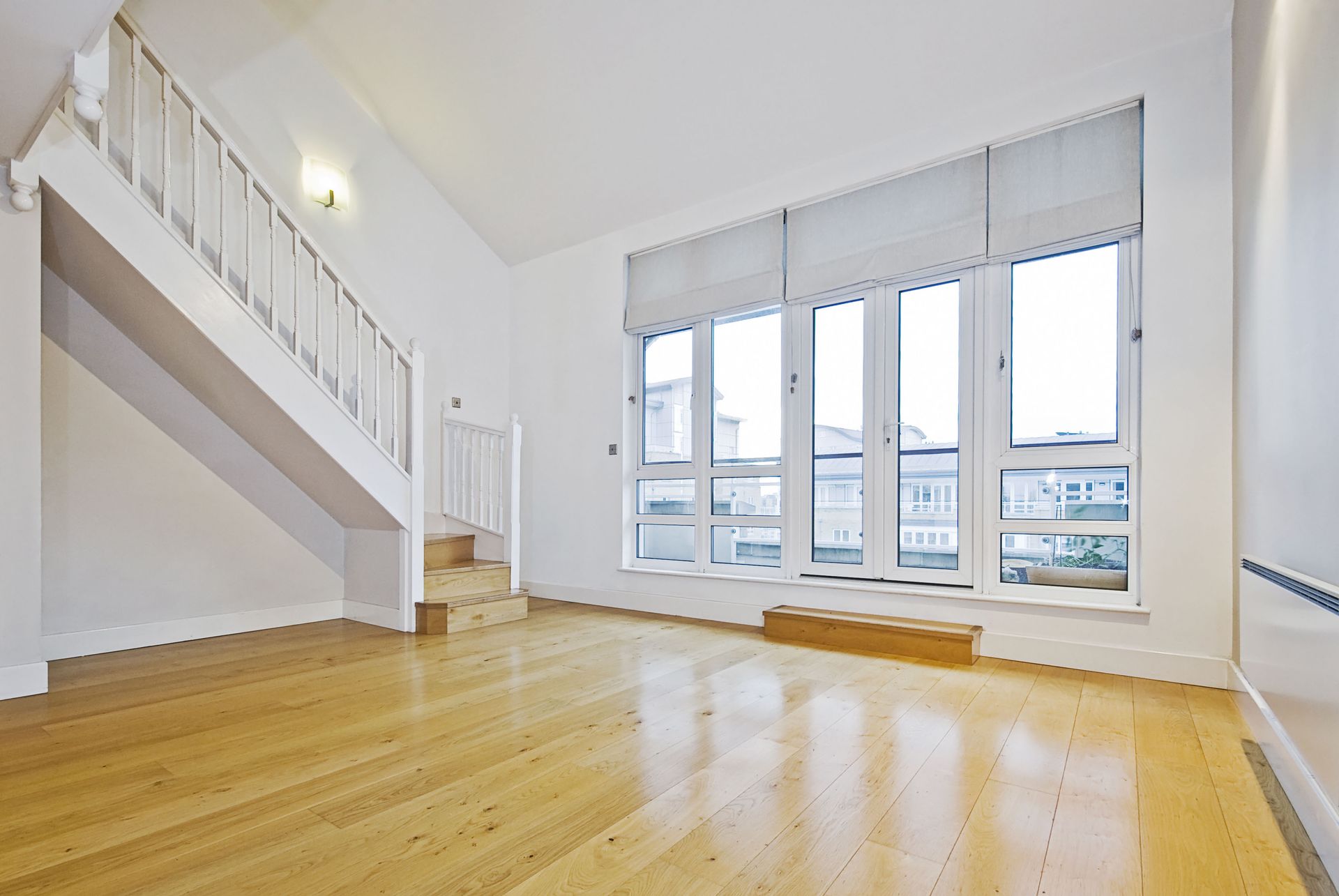
Shades offer a softer approach to light control, while still maintaining privacy. Roller shades, for instance, provide a sleek look with compact installation, blending well into modern design schemes. Roman shades introduce an element of elegance with their draped folds, serving as both an aesthetic and functional statement. Cellular shades are excellent for controlling light and conserving energy due to their unique honeycomb design, which provides effective insulation. Across all these variations, shades remain a favored choice for their ability to diffuse light gently.
Drapes and curtains bring a sense of timeless elegance to interior spaces with their rich textures and decorative possibilities. Available in various fabrics and patterns, they can be customized to reflect individual style preferences while still meeting functional needs. Drapes are particularly effective at blocking light and providing insulation, which can improve energy efficiency during seasonal changes. When layered with blackout linings, they further enhance a room's privacy and comfort. As a design element, drapes add a layer of sophistication and warmth that remains unmatched by modern alternatives.
Materials and Fabrics for Comfort and Light Regulation
Natural fibers are increasingly favored in window treatments for their eco-friendly attributes and aesthetic charm. Materials such as cotton, linen, and bamboo offer breathable qualities that regulate light while enhancing the room's natural beauty. These fibers are not only renewable but also provide a distinctive texture and look that sets them apart in interior design. Utilizing natural fibers reflects a commitment to sustainability, catering to the growing demand for environmentally responsible lifestyle choices. Their organic appeal adds a touch of elegance and earthiness to any living space.
Synthetic fabrics provide a practical alternative due to their durability and cost efficiency. Materials such as polyester offer resistance to wear and fading, making them suitable for areas with high sun exposure. Furthermore, synthetic options are generally easier to clean and maintain, offering a practical option for busy households. Cost efficiency is another significant advantage, as these fabrics can provide a budget-friendly alternative without compromising on style or functionality. The combination of these features makes synthetic fabrics a viable choice for many homeowners looking for lasting solutions.
Blackout fabrics are essential for those requiring complete control over light in spaces such as bedrooms or media rooms. They effectively block out external light, providing the complete darkness necessary for restful sleep or immersive entertainment. In contrast, light-filtering fabrics allow some natural light to penetrate, creating a warm yet diffuse ambient glow. These options are particularly suitable for living spaces where light diffusion is desired without compromising on warmth and privacy. By selecting the appropriate type of fabric, homeowners can fine-tune their environment to suit specific light preferences and needs.
The Right Window Treatment for Your Space
Choosing the right window treatment requires a careful assessment of personal needs and preferences. Consideration should be given to the primary function of the room and how much natural light is desired. Privacy needs, noise levels, and aesthetic preferences are additional factors to evaluate when choosing window treatments. Identifying these requirements ensures that the selected treatment provides both the desired functionality and complements the room's design. Personalizing your selection process guarantees that the chosen window treatments will enhance both the visual and practical aspects of a room.
Budgeting for window treatments is another crucial consideration, as costs can vary widely based on the type, material, and customization options. Blinds or shades can offer a cost-effective solution, while more elaborate treatments such as custom drapes might require a larger investment. Material, brand reputation, and automation features are additional factors that can impact the overall cost. By setting a clear budget and exploring various options, homeowners can make informed decisions that align with their financial constraints. Understanding cost factors early in the selection process can prevent overspending and ensure a satisfying outcome.
The ability of window treatments to complement existing interior design elements is crucial for a cohesive look. It is essential to match the style, color, and material of window treatments with the overall theme of the room. For example, richly textured drapes can add a traditional touch, while sleek, minimalistic shades may align with modern decor. Considering these design principles ensures that window treatments enhance a room's aesthetic rather than detracting from it. Carefully selecting treatments that reflect personal tastes and the room's atmosphere contributes to a unified and attractive design.
Window treatments are far more than decorative accents—they are essential elements that shape a home’s comfort, efficiency, and overall atmosphere. Options like honeycomb shades not only offer stylish light control but also provide excellent insulation, helping to reduce energy costs while maintaining a cozy interior. From enhancing privacy to regulating sunlight and temperature, the right treatments, including honeycomb shades, can transform any space into a functional and inviting environment.
By exploring the variety of window treatments available, from drapes and blinds tohoneycomb shades, homeowners can make informed choices that align with both their practical needs and aesthetic preferences. Thoughtful selection ensures that each window treatment contributes to a harmonious, comfortable, and energy-efficient home. Contact BlindSide Window Coverings today for more information.