July 25, 2026
In recent years, energy-saving window treatments have gained considerable attention among homeowners and interior designers. This is largely due to increasing environmental consciousness and the desire to reduce energy costs. Among the various options available, cellular shades have emerged as a leading choice. Their ingenious design and functionality make them an ideal fit for modern homes seeking both style and sustainability. This article explores why cellular shades are increasingly becoming the top trend in energy-efficient window solutions.
Energy efficiency is a crucial aspect of modern living, as it directly impacts both environmental sustainability and household expenses. By reducing energy consumption, individuals can contribute to decreasing their carbon footprint, which helps combat global warming and climate change. Window treatments play a significant role in maintaining a home's energy efficiency by regulating indoor temperature and minimizing heat loss. Effective window coverings can significantly reduce the need for artificial heating and cooling, leading to lower utility bills. Selecting the right type of window treatment becomes essential for homeowners aiming to enhance their home's energy efficiency.
Understanding Insulation Properties
Windows are often the weakest link in a home's insulation system, accounting for a substantial portion of energy loss. Poorly insulated windows allow heat to escape during the winter and seep in during the summer, leading to increased heating and cooling costs. Effective insulation around windows is necessary to maintain a consistent indoor environment and minimize energy consumption. Window treatments that enhance insulation can help address this issue by trapping air and creating a barrier against external temperatures. As a result, homeowners can enjoy a more comfortable living space year-round.
Several factors contribute to energy loss through windows, including gaps and drafts, single-pane glass, and inadequate sealing. Even well-designed windows can suffer energy inefficiencies without the right window treatments in place. These specialized products specifically address these vulnerabilities by fitting snugly against windows, reducing drafts, and adding another layer of insulation. By covering the entire window area, they help prevent heat transfer and maintain a stable indoor climate. Consequently, these honeycomb structures are acknowledged as a highly effective solution for energy conservation in homes.
Comparing Common Treatment Varieties
Traditional window treatments, such as curtains and blinds, offer varying degrees of insulation but often fall short in terms of conserving energy. Curtains, while effective in blocking light, do not provide the specialized structure that traps air for enhanced insulation. Similarly, standard blinds can be adjusted for light control but offer minimal thermal resistance. Cellular shades, on the other hand, are designed with a honeycomb structure that significantly outperforms these traditional options. They not only optimize thermal performance but also offer superior aesthetic versatility, making them an ideal modern choice for energy efficiency.
The R-value is an important metric for assessing the thermal resistance of window treatments, with higher values indicating better insulation. These advanced options are known for their impressive R-values, which can range from 2.0 to 5.0, depending on their design and material. This is considerably higher than most other window treatments, translating to better energy savings for homeowners. The multiple layers of material provide superior insulation, making them a preferred choice for those looking to maximize their home's energy efficiency. Measuring the R-value is a reliable way to evaluate the thermal performance and energy-saving potential of window treatments.
Defining Cellular Window Solutions
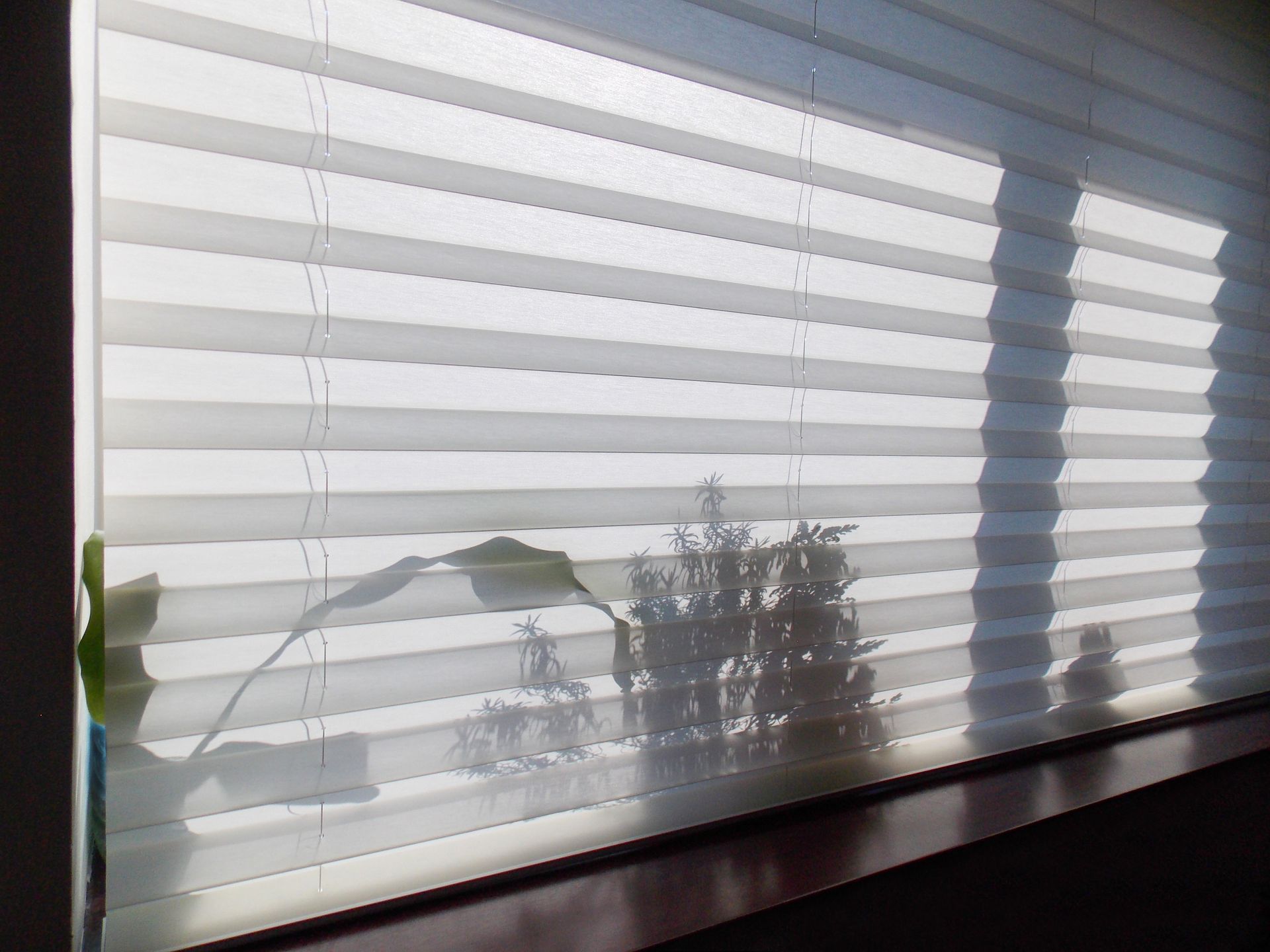
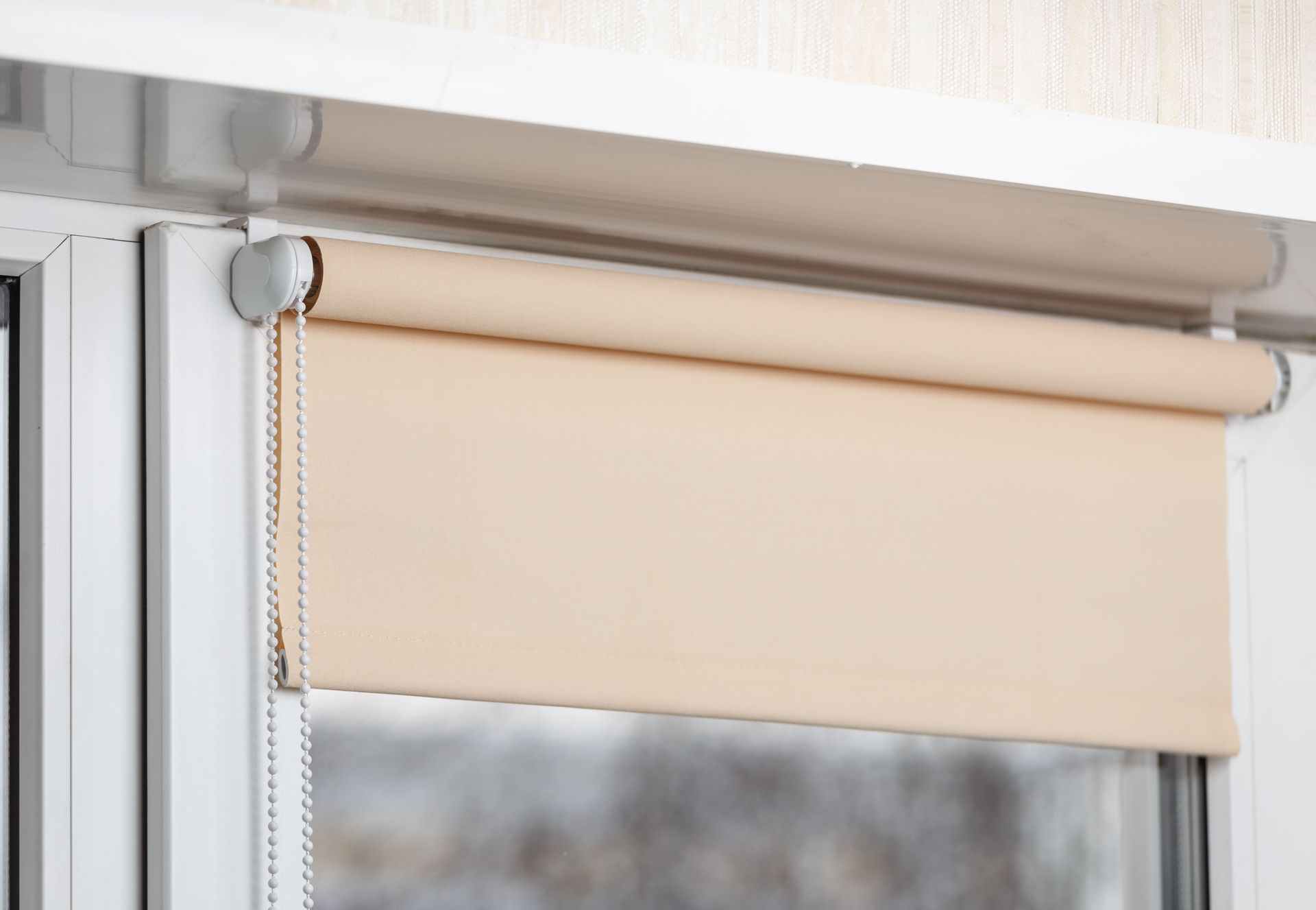
Cellular shades, also known as honeycomb shades, are specialized window treatments designed to improve energy efficiency in homes. They are named for their unique structure, which resembles a series of honeycomb cells when viewed in cross-section. These cells trap air between the window and the room, providing an insulating layer that helps regulate indoor temperatures. These window coverings come in a variety of styles and designs, allowing homeowners to customize their appearance while maximizing energy savings. Their versatility and functionality have made them a popular choice in modern interior design.
The concept of these pocketed window coverings was introduced in the 1980s as a response to growing demand for energy-efficient window coverings. Over the years, advancements in material technology and design innovation have led to the development of options with enhanced performance and aesthetic appeal. They have since evolved from basic monochrome designs to a wide range of colors, textures, and patterns that complement diverse interior styles. As they have advanced, these window coverings have also become more accessible to a wider audience, further increasing their adoption in homes around the world.
Examining The Fabric Layering
The defining feature of cellular shades is their unique honeycomb structure, which creates a series of air-filled pockets that enhance their insulating properties. These cells come in single, double, or triple layers, allowing homeowners to select the level of insulation that best suits their needs. The structure of these coverings not only contributes to energy savings but also provides excellent light control and privacy. By trapping air, they minimize the transfer of heat through windows, making them an integral part of energy-efficient home design. Their lightweight yet durable construction ensures long-lasting performance and easy operation.
These window treatments are available in a variety of materials, offering both aesthetic versatility and functional benefits. Common materials include polyester, fiberglass, and polyester blends, which are chosen for their durability and resistance to fading. They also come in light-filtering or blackout options, allowing users to control the amount of natural light entering the room. These materials can be combined with different colors and textures to create a customized look that complements any interior design. Ultimately, the choice of material influences both the appearance and the performance of the product.
Tracking Global Consumer Demand
Numerous studies and data support the energy-saving claims associated with these products, underscoring their effectiveness in reducing energy consumption. Research from various organizations has demonstrated the substantial impact on thermal regulation and energy costs. For instance, the Windows and Daylighting Group at the Lawrence Berkeley National Laboratory has documented the thermal performance improvements achieved with these window coverings. According to Fortune Business Insights, the largest portion of the global marketplace for blinds and shades belonged to the North American region, which secured a majority share of 50.70% in 2025. This market dominance indicates widespread consumer recognition of the benefits and efficiency of cellular shades.
Beyond their energy-saving benefits, these window products offer significant noise reduction capabilities, enhancing the overall comfort of a home. The honeycomb structure not only insulates against temperature fluctuations but also helps dampen exterior sounds. This is particularly advantageous for homes located in noisy urban areas or along busy streets. The added layer of fabric and trapped air pockets serve as a buffer against sound waves, creating a more peaceful indoor environment. As a result, homeowners can enjoy tranquility and privacy, even in bustling surroundings.
Highlighting Secondary Household Benefits
These products also enhance privacy, a key consideration for homeowners seeking a sanctuary from the outside world. Their compact fit against the window and opacity options make them an effective barrier against unwanted views from the outside. Whether during the day or at night, they provide comprehensive privacy without sacrificing style or functionality. Homeowners have the flexibility to choose different opacity levels to suit their privacy needs while still allowing natural light to filter through. This combination of privacy and light control makes them a multifaceted addition to any home.
The aesthetic and design flexibility is another contributing factor to their popularity in modern interiors. These shades complement various decorative schemes, from sleek contemporary spaces to cozy traditional settings. Homeowners can select from an array of colors, patterns, and textures to match or accentuate their decor. Additionally, they can be custom-made to fit special window shapes or sizes, providing personalized solutions for unique design challenges. This adaptability ensures that they not only enhance energy efficiency but also elevate the overall aesthetic of living spaces.
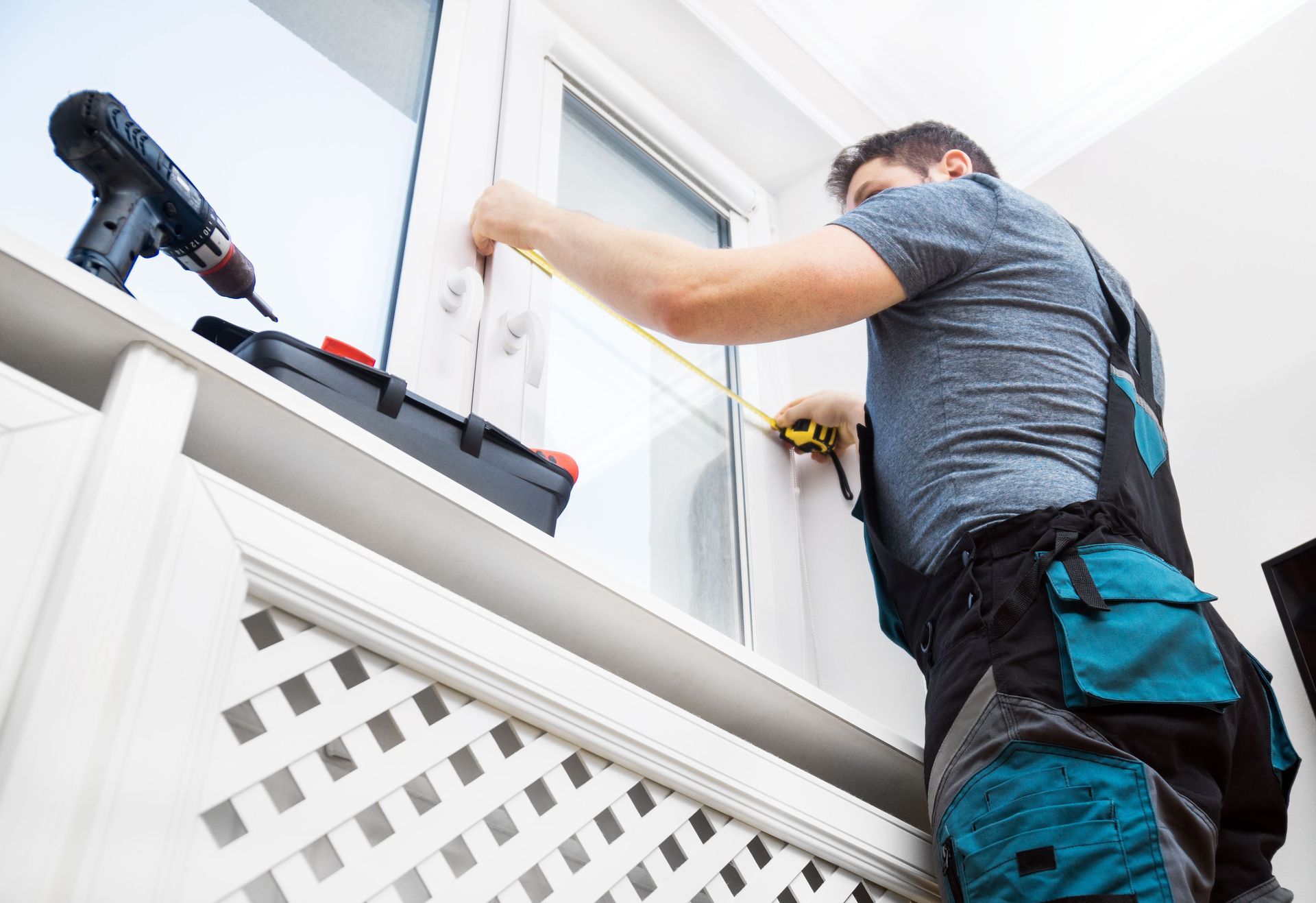
Installing cellular shades requires careful measurement and sizing to ensure a proper fit and optimal performance. Before purchasing, it is essential to accurately measure the dimensions of the windows, taking into account any architectural features or obstructions. These window items can be installed as inside-mount or outside-mount, each with its own set of considerations. Inside-mount shades offer a sleek and discreet look by fitting within the window frame, while outside-mount shades provide more coverage and can make windows appear larger. Working with a dedicated professional provider ensures a flawless finish and helps homeowners maximize their long-term investment via perfect window styling from BlindSide Window Coverings.